

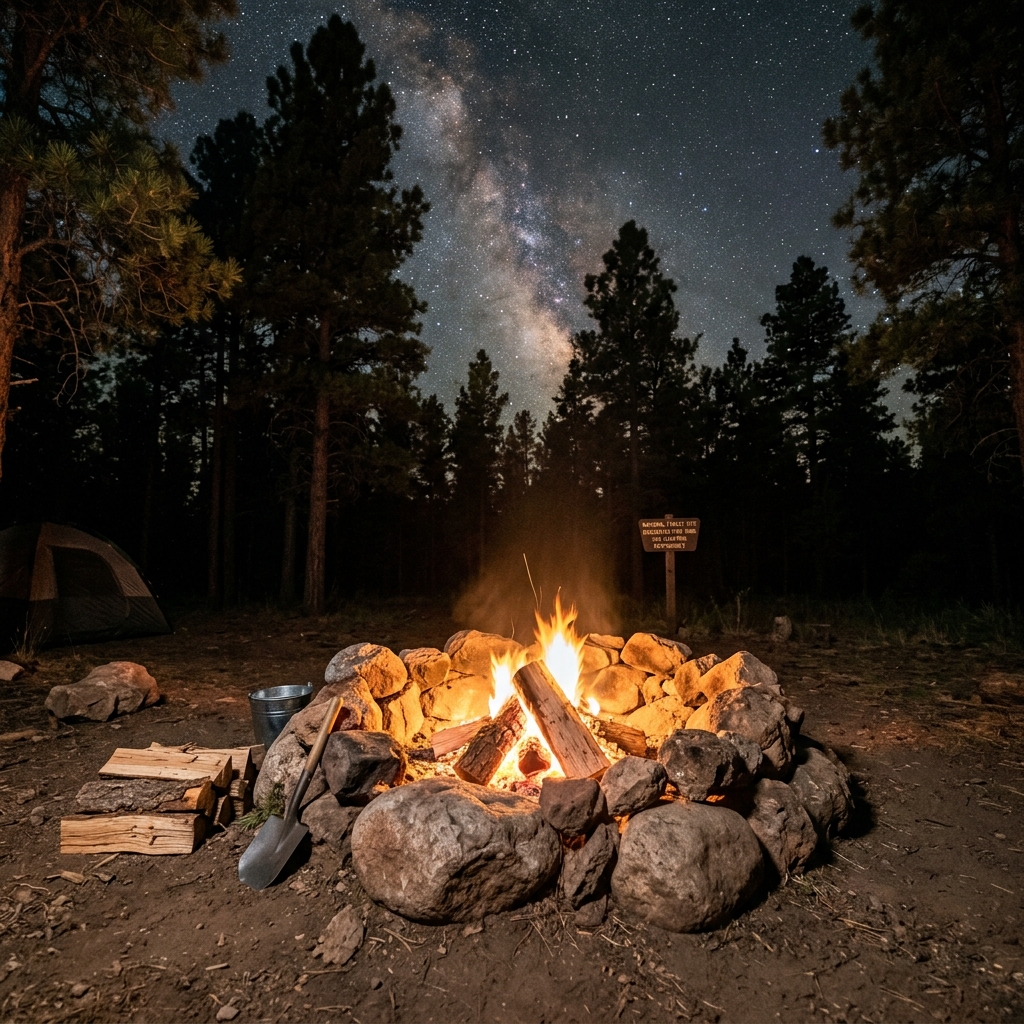
Sleeping cold is the defining miserable camping experience. It's also almost entirely preventable with the right setup and the right knowledge.
The good news: staying warm at camp isn't primarily about having the most expensive gear. It's about understanding how your body loses heat, and addressing each pathway systematically.
How Your Body Loses Heat at Night
There are four mechanisms of heat loss. Your sleep system needs to address all of them:
Conduction: Direct heat transfer to a cooler surface in contact with your body. The ground underneath you pulls heat at a rate far exceeding cold air. This is why a sleeping pad is not optional.
Convection: Heat loss through air movement across the skin. Inside a sleeping bag, the still air trapped by insulation prevents convection. Outside the bag: wind and ventilation accelerate heat loss dramatically.
Radiation: Your body radiates heat continuously as infrared radiation. Reflective surfaces (like emergency space blankets) reduce radiative loss. A sleeping bag traps the layer of warm air that radiated heat from your body, preventing it from dissipating.
Evaporation: Sweat evaporating from skin cools you. In a sleeping bag, moisture accumulates and reduces the insulation's effectiveness over time — this is why sleeping in cotton (which retains moisture) is a heat loss problem, and why synthetic or wool base layers work better.
The Sleep System: Three Layers
A complete camp sleep system has three components. Each is necessary. None is sufficient alone.
Layer 1: The Sleeping Pad (Most Important for Cold Ground)
The sleeping pad is the most undervalued component in the sleep system. No sleeping bag compensates for missing pad insulation — the fill on the underside of a sleeping bag is compressed by your body weight and provides almost no insulation against the ground.
R-Value: The Only Specification That Matters
R-value measures thermal resistance. Higher is warmer.
| R-Value | Appropriate Conditions |
|---|---|
| R 1–2 | Summer temperatures above 50°F |
| R 2–4 | 3-season camping, above freezing nights |
| R 4–6 | Cold weather, shoulder seasons |
| R 6+ | Winter camping and snow |
Types of pads:
Closed-cell foam (Therm-a-Rest Z Lite, NEMO Switchback): Indestructible, no deflation risk, excellent durability, cheapest option. Bulky. R-value ~2. For 3-season use in moderate climates. Cannot be punctured.
Self-inflating (Therm-a-Rest Trail Scout, NEMO Roamer): Foam core inflates when valve opens. Good durability and puncture resistance. Moderate weight and bulk.
Inflatable air pad (Therm-a-Rest NeoAir XLite, Sea to Summit Ether Light): Most comfortable, most packable, lightest per R-value. Can puncture — carry a patch kit. Best for comfort-focused 3-season camping. NeoAir XTherm reaches R 7.3 for winter use.
For car camping: Bring the most comfortable pad you have — weight doesn't matter. A double-height inflatable or a self-inflating pad at 3+ inches thickness dramatically improves sleep quality.
Layer 2: The Sleeping Bag
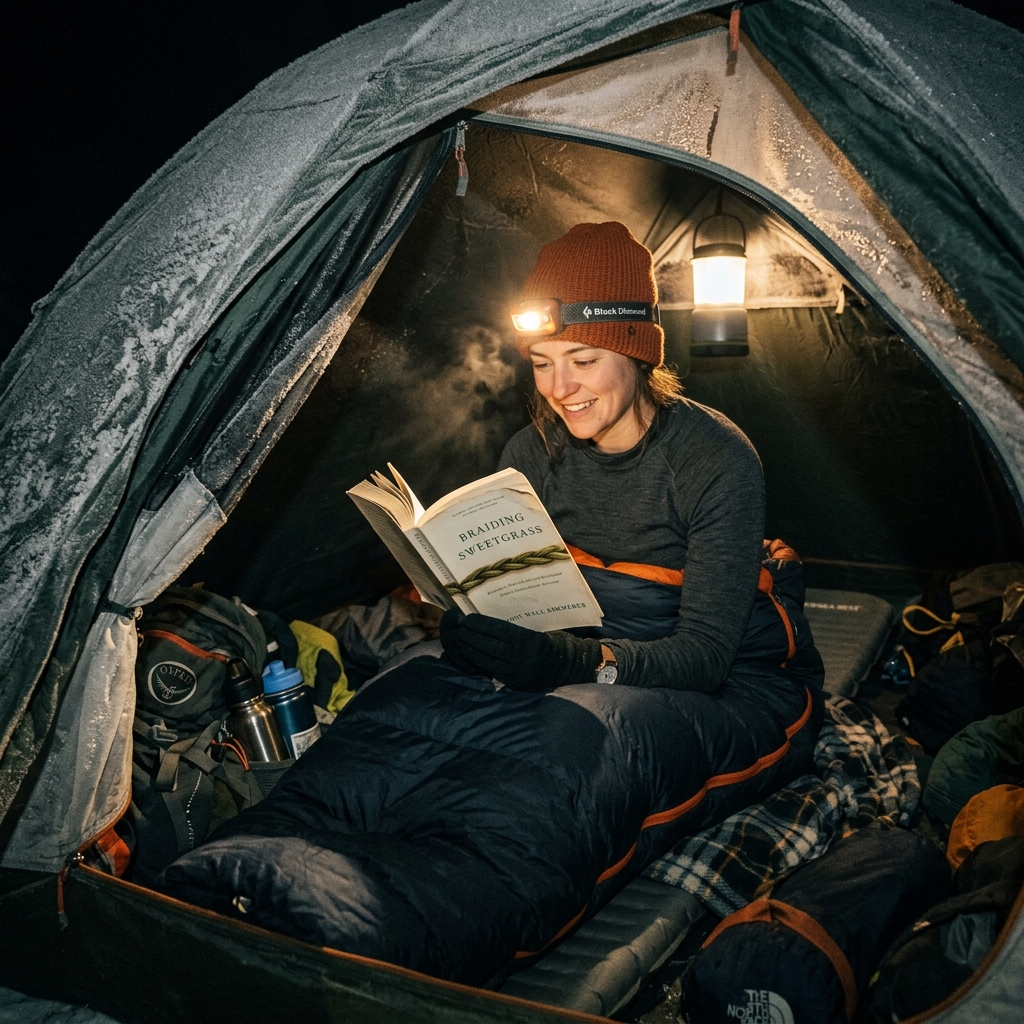 The combination of a proper base layer and a well-rated bag is what makes cold-night camping comfortable.
Temperature Ratings: The Critical Specification
Bags are rated in two ways:
- EN/ISO rating (standardized): The only rating you can compare across brands. Ask for the test certificate if uncertain. Two numbers: Comfort (lower threshold for women) and Lower Limit (lower threshold for men).
- Brand-stated ratings: When EN/ISO ratings aren't provided, treat stated ratings skeptically and add 10–15°F of margin.
How to buy for your conditions: Know the coldest temperature of any night on your likely trips. Buy a bag rated 10–15°F colder than that number. Running a bag in warmer-than-rated conditions (unzipping, ventilating) is easy. Running a bag in colder-than-rated conditions is miserable and potentially dangerous.
Fill type:
Down: Superior warmth-to-weight ratio, highly compressible, long-lasting with care. Loses insulating ability when wet — a real concern in consistently wet climates. Treated (hydrophobic) down (often labeled DWR or DownTek) improves wet performance meaningfully.
Synthetic: Heavier per unit warmth, compresses less over its lifetime, but maintains significant insulation even when wet. Right choice for the Pacific Northwest, Southeast, and other consistently wet environments.
Bag shape: Mummy bags (tapered, hooded) are warmest per ounce — the hood captures the 30–40% of heat lost through the head. Rectangular bags are more comfortable for restless sleepers but significantly less efficient thermally. Quilt systems (used by ultralight backpackers) can be the most efficient but require experience to use without cold drafts.
Layer 3: Sleeping Clothes
The sleeping clothes you wear inside your bag make a meaningful difference in warmth — and they're often overlooked.
Why clothing inside the bag matters:
- Adds 5–15°F to effective bag warmth
- Keeps body oils (which degrade down loft over time) off the bag
- Keeps the bag dry — you sweat less when wearing breathable base layers
What to wear:
- Base layer top and bottom: Merino wool or synthetic. Never cotton. A midweight merino top and bottom adds approximately 10°F to effective bag warmth.
- Wool socks: Cold feet are the number one reason people think they're "cold sleepers." Most people who think they sleep cold actually just have cold feet. Wool socks in the bag frequently solve this completely.
- Beanie: 25–35% of body heat loss occurs through the head without a bag hood. A beanie addresses this at minimal weight and cost.
- Gloves: For truly cold nights or a bag that's at its limit, lightweight liner gloves help.
Campsite and Tent Factors
Tent placement:
- On cold nights, avoid low-lying areas — cold air is denser and sinks into valleys and depressions
- Sheltered areas (ring of trees, rock windbreak) retain warmth better than exposed sites
- Sleeping with your head at the uphill end of any slight slope prevents blood pooling in the head overnight
Tent ventilation: Cold air holding less moisture causes condensation when it hits the warmer tent wall. A tent with no ventilation traps moisture exhaled during sleep — this moisture eventually transfers into your sleeping bag insulation, reducing its warmth. Crack rain fly vents slightly even on cold nights.
Ground insulation: On truly cold ground (below 40°F), consider adding a foam sit pad under the foot of your sleeping pad — the foot-end cold spot is where heat most commonly escapes. For multi-night cold camping, doubling pads (foam + inflatable) is common practice.
Practical Cold-Night Checklist
Before getting into your bag on a cold night:
- Hot food or hot drink in the last hour — elevates core temperature
- Change into dry sleeping clothes — remove damp hiking layers completely
- Wool socks on
- Beanie ready at headlamp location
- Sleeping pad fully inflated (if inflatable)
- Bag foot-end closed fully
- Close tent door and rain fly vents only partially
Warming a cold bag: If you're getting into a cold bag in camp and know it'll be a cold night, do 20–30 jumping jacks or a short brisk walk before getting in. Warming your core before entering the bag speeds the bag's warm-up time significantly.
Hot water bottle trick: Fill a hard-sided water bottle with boiling water, seal tightly, and place at the foot of the bag 15 minutes before getting in. The heat dissipates slowly overnight and dramatically improves sleep comfort. Confirm the bottle is rated for boiling water before use — not all bottles are.
You're Not a "Cold Sleeper"
The common belief "I'm just a cold sleeper" is rarely a fixed truth. Most people who consistently report cold camping nights are running an undersized pad, an over-optimistically-rated sleeping bag at ambient temperature, and cotton or no clothing inside the bag.
Address all three systematically and reported "cold sleeping" resolves in the vast majority of cases. The remaining cases often involve poor sleeping bag compression from age (synthetic bags lose loft after 50+ uses; down bags need periodic washing and fluffing to restore loft) or an actual metabolic factor worth discussing with a physician.